
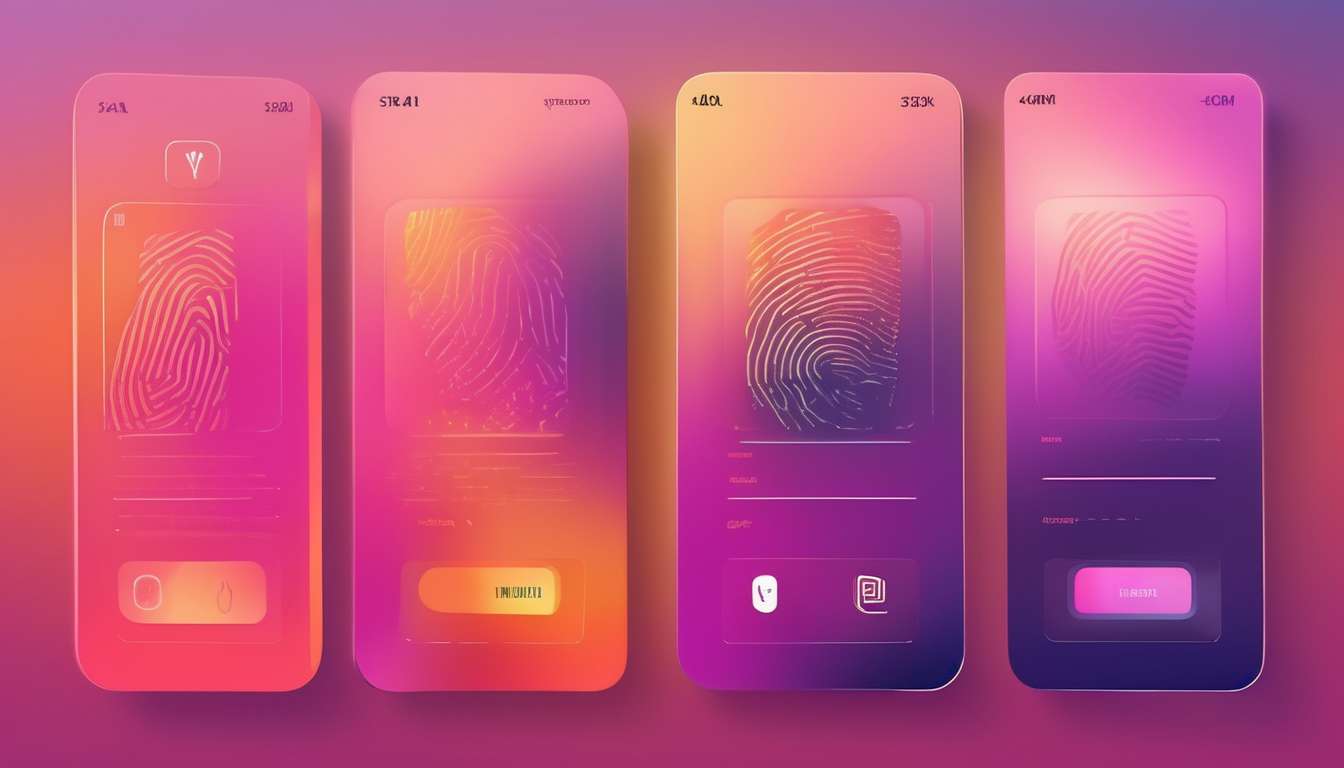
Cascading user expectations and rapid device innovation have created a pressing problem: adult dating platforms risk falling behind unless design pivots to match mobile-first behaviors.
We face a landscape where brief attention spans, heightened privacy concerns, and demand for richer multimedia interactions collide with legacy features built for desktop browsing.
If we continue to prioritize outdated interaction patterns, we’ll lose engagement, trust, and revenue to apps that better accommodate swipe gestures, ephemeral content, and seamless in-app payments.
Solving this requires rethinking core flows—onboarding, consent-preserving verification, and matchmaking—through the lens of small screens and intermittent use.
We must reconcile user desires for authenticity with regulatory and ethical constraints, all while optimizing for speed and accessibility.
This article examines the mobile trends reshaping adult dating platform design and offers practical strategies to redesign experiences that are fast, private, inclusive, and built to meet users where they are: on their phones, on their terms.
Mobile-First Onboarding
We prioritize mobile-first onboarding to get users matched and chatting within minutes, not hours.
We craft every step around mobile-first design so people feel seen the moment they open the app. This includes streamlined screens, thumb-friendly interactions, and progressive disclosure that keeps the experience fast without feeling shallow.
We guide newcomers with clear, warm prompts that reduce friction while preserving choice.
- Clear, warm microcopy that explains why we ask for information.
- Gentle progress indicators so users know how long onboarding will take.
- Optional paths that let people skip or return to nonessential steps.
We embed privacy-by-default settings so profiles and messages are protected unless members choose otherwise.
- Default visibility and messaging settings are restrictive.
- Users can proactively broaden sharing when they’re ready.
- This assurance helps users relax and engage authentically.
Our signup flow balances speed with meaningful signals.
- A few curated questions that capture intent and preferences.
- Selective photo prompts that encourage expression without pressure.
- Gentle identity confirmations that improve trust and contextual matchmaking.
These inputs feed into contextual matching without asking for excess data.
We test microcopy, timing, and feedback loops to make each decision effortless and respectful.
- A/B tests on tone and wording.
- Timing experiments for prompts and transitions.
- Immediate, contextual feedback when users complete steps.
When onboarding respects time, privacy, and intent, we create a welcoming first impression that encourages real connections.
That’s how we turn quick starts into sustained participation and a community where people feel both safe and included.
Gesture-Based Navigation
We favor intuitive, thumb-friendly gestures—swipes, pulls, and long-presses—that let users navigate, express interest, and manage interactions without leaving the flow of the app.
We design gesture maps that feel like second nature, so members can explore profiles, save matches, and dismiss noise with minimal effort.
In a mobile-first design mindset, every motion is calibrated for one-handed use and emotional comfort, reinforcing a shared sense of ease and belonging.
We build gestures around privacy-by-default principles:
- A long-press previews content without auto-opening chat.
- A swipe-hold hides sensitive details until an intentional reveal.
- Easy two-finger taps mute or report.
These controls let people set boundaries instantly, reducing friction and anxiety.
Gestures become signals in contextual matchmaking:
- A light swipe might indicate curiosity.
- A press-and-drag can express stronger intent.
- The system adapts suggestions accordingly.
By making gestures meaningful and respectful, we foster safer, more connected experiences that honor both personal agency and community.
Ephemeral Multimedia Features
Many users prefer short-lived photos and videos.
We’ll offer easily recorded, auto-expiring multimedia snippets that let people share moments without creating lasting traces.
Design: mobile-first and intuitive controls.
- We’ll design these features with mobile-first principles so capturing and sending content feels natural in one hand.
- Controls will be visible and intuitive so everyone feels confident participating.
Privacy-by-default.
- Snippets auto-delete.
- Screenshot detection notifies senders.
- Granular audience controls let people choose who sees what and for how long.
Contextual matchmaking for relevance.
We’ll connect ephemeral media to contextual matchmaking — showing timely, relevant snippets to people who share location-based events or interests — so interactions feel immediate and meaningful.
Safety and community norms.
- We’ll encourage a welcoming culture by highlighting respectful use.
- Consent prompts will be presented where appropriate.
- Easy reporting flows will help members feel safe expressing themselves.
Outcome: authentic, low-pressure exchanges.
By combining fast, delightful media tools with strong privacy settings and thoughtful matching cues, we’ll foster genuine, short-lived exchanges that reduce pressure to perform and increase chances of authentic connection among people seeking belonging.
In-App Payment Flows
We will design frictionless, secure in-app payment flows that make purchases simple, transparent, and trustworthy for members.
We prioritize mobile-first design so every tap, confirmation, and receipt feels native and reassuring.
Key mobile-first elements:
- One-tap purchases and saved preferences to reduce friction.
- Clear progress indicators so users always know where they are in the flow.
- Native-feeling confirmations and receipts that build trust and clarity.
We embed privacy-by-default principles.
Privacy measures include:
- Billing data segmentation to limit linkage between purchases and identity.
- Anonymized receipts available when users prefer privacy.
- Obvious membership visibility controls at checkout so users control who sees their status.
We present pricing and microtransactions in community-friendly language.
Pricing approach:
- Tiers and microtransactions framed around connection goals, not pressure.
- Clear explanations of value so users make informed, comfortable choices.
We align premium features with real moments to support contextual matchmaking.
Feature design principles:
- Offer boosts, message priority, and curated introductions tied to meaningful moments.
- Ensure purchases enhance belonging and usefulness, not performative display.
We rigorously test payment prompts for timing and tone.
Testing focus:
- Measure when prompts feel helpful versus intrusive.
- Iterate on copy, placement, and frequency based on user feedback and metrics.
We provide trustworthy support and straightforward refunds.
Support and refunds commitments:
- Easy-to-access help channels for payment issues.
- Clear, fair refund policies to maintain confidence and respect.
Overall goal: transactions should feel safe, fair, and respectful—supporting belonging rather than extracting attention.
Privacy-First Authentication
Goal: privacy-first authentication that minimizes personal data and gives users control.
We will implement authentication that minimizes data collection, offers anonymous or pseudonymous sign-in, and makes account recovery and verification transparent and user-controlled.
Mobile-first sign-up flows that reduce friction and unnecessary identifiers.
We design sign-up flows around a mobile-first experience so people feel safe joining from phones without handing over unnecessary identifiers. Members choose from clear options:
- Social login with limited scopes.
- Passwordless options via one-time codes or device keys.
- Pseudonymous handles that preserve identity while fostering belonging.
Privacy-by-default storage and session handling.
We encrypt saved credentials and session data locally, and limit server-side retention. Stored authentication artifacts follow a minimal-retention policy and are deleted or expired unless the user opts otherwise.
Contextual, minimal verification tied to signals — not bulk personal data.
Verification steps are contextual and minimal, relying on behavioral signals and risk scoring instead of collecting broad intimate details. This supports contextual matchmaking and trust signals while keeping sensitive data out of central stores.
Recovery and verification paths that prioritize user control.
Recovery options prioritize user autonomy and clarity:
- Provide recovery codes users can store offline.
- Maintain trusted-device lists users can manage and revoke.
- Offer optional biometric unlocking on-device with clear opt-in.
All recovery methods are explained plainly at setup.
Auditability and user erasure of auth traces.
We audit logs for security while giving members the ability to view and erase their authentication traces, with clear UI and explanations about what erasure means for account access and recovery.
Design principle: center autonomy and community warmth.
By centering user autonomy, transparent choices, and inclusive design, we build trust while keeping the platform light, secure, and welcoming.
Low-Bandwidth Optimization
Optimize for minimal bytes and essential content.
We’ll prioritize sending only what’s necessary so members on slow connections or limited data plans can use the app without long waits or wasted data.
Design decisions and UI/UX optimizations:
- Mobile-first layouts and interactions tuned for efficiency from the start.
- Lightweight home screens that surface essential actions and content.
- Streamlined profile loading to fetch core information first, deferring noncritical details.
- Compress and serve optimized assets (images, icons, sprites) and use adaptive image sizes.
Graceful degradation of noncritical features.
- Disable or defer background syncing and heavy animations on constrained networks.
- Replace rich media (auto-play video, high-res galleries) with placeholders or thumbnails.
- Provide fallback UI that clearly indicates which features are reduced.
Privacy and safety without extra bandwidth costs.
- Privacy-by-default settings to avoid unnecessary background transfers and to limit third-party trackers that consume bandwidth.
- On-device, contextual matchmaking where possible to compute matches locally and transmit only compact summaries rather than full profiles.
Explicit low-data controls and clear indicators.
- Offer an explicit low-data mode users can toggle.
- Show clear indicators when features are disabled or limited due to network or mode.
- Provide simple controls so users choose trade-offs (e.g., show images, load full profiles, sync frequency).
Outcome and user experience goals.
- Reduce noise and focus on meaningful connection so members feel seen and understood even on constrained networks.
- Maintain reliable performance across varied networks while respecting users’ time, attention, and data budgets.
Accessibility and Inclusivity
We’ll design interfaces and flows that work for people of all abilities, identities, and device constraints so everyone can participate comfortably and safely.
We prioritize mobile-first design to ensure interfaces are responsive, keyboard- and screen-reader friendly, and simple to navigate one-handed.
We’ll offer adjustable text sizes, color-contrast themes, and clear iconography so people feel seen and confident using the app.
We’ll embed privacy-by-default settings so users control what others see and how profiles appear, reducing anxiety for those with marginalized identities.
We’ll provide inclusive onboarding that asks about pronouns, relationship preferences, and accessibility needs in plain language and optional steps, making belonging the norm rather than the exception.
We’ll build features that minimize friction:
- Alternative verification methods
- Captioned media
- Lightweight flows for low-bandwidth contexts
We’ll test with diverse communities, iterate on feedback, and measure success by engagement and retention across groups.
That way our platform stays welcoming, equitable, and safe for everyone.
Contextual Matchmaking
We match people based on where they are, what they’re doing, and the moment’s context so connections feel timely and relevant.
We design features that surface potential matches for a coffee break, a concert, or a late-night walk, making interactions feel natural and safe.
By prioritizing mobile-first design, we ensure contextual prompts load quickly and are easy to act on in the moment.
We balance convenience with care:
- Location signals are transient — location is used briefly and not stored unnecessarily.
- Preferences are explicit — members state what they’re open to, reducing ambiguity.
- Controls are front and center — users can adjust or disable context features at any time.
Our algorithms favor shared activities and compatible intentions over superficial swipes, helping people find companionship that fits their current life rhythm.
We build privacy-by-default into every step:
- Context is revealed only with consent.
- Consent can be revoked instantly.
- Minimal data is exposed for matching; sensitive details remain protected.
We want members to feel seen and secure.
Contextual matchmaking shouldn’t pressure anyone; it should create opportunities for genuine connection that respect each person’s pace, place, and privacy.
How can designers measure the long-term emotional impact of features like ephemeral messaging and swipe-based matching on users’ mental health?
Goal: Measure long-term emotional impacts of features like ephemeral messaging and swipe matching.
Approach: Combine multiple methods to track changes over time.
Key measurement components:
-
Longitudinal surveys
- Use repeated surveys to capture self-reported changes over months or years.
- Include baseline, follow-ups at regular intervals, and endline assessments.
-
Validated mental-health scales
- Include standardized instruments (e.g., PHQ-9, GAD-7, UCLA Loneliness Scale) to allow comparisons and detect clinically meaningful change.
- Administer at consistent intervals to track trajectories.
-
Passive behavioral metrics
- Collect in-app signals (e.g., session length, message frequency, match/response rates, time of use) to infer engagement and behavioral shifts.
- Analyze temporal patterns and correlations with survey/scale results.
-
Opt-in biomarkers
- Offer optional physiological measures (e.g., heart-rate variability via wearables, sleep data) for consenting users to provide objective stress/wellbeing indicators.
- Ensure clear consent and data minimization.
Study designs and analysis:
-
Cohort studies
- Enroll users exposed to the feature and follow them over time, adjusting for confounders.
- Use propensity-score matching or other methods when randomization isn’t possible.
-
A/B tests
- Where feasible, randomize feature exposure to estimate causal effects on short- and long-term outcomes.
- Pre-register analysis plans and monitor for harm.
-
Mixed-method interviews
- Conduct qualitative interviews and focus groups to contextualize quantitative findings and surface unintended effects.
- Use purposive sampling to include diverse user experiences.
-
Triangulation
- Combine survey, behavioral, biomarker, and qualitative data to strengthen inference about emotional impact.
Ethics, safety, and participant support:
-
Ethical oversight
- Obtain IRB review or equivalent ethics approval for studies involving mental-health measures and biomarkers.
-
Informed opt-in
- Use clear, layered consent for surveys, passive data collection, and biomarker sharing; allow easy withdrawal.
-
Safety protocols
- Implement real-time monitoring for distress signals and provide links to support resources (crisis lines, counseling).
- Escalation procedures for acute risk should be defined and staffed.
-
Data privacy and minimization
- Store de-identified data, apply strict access controls, and retain only what’s necessary for analysis.
Participant engagement and transparency:
-
Support resources
- Offer in-app resources, referrals, and community support for participants who report distress.
-
Community feedback loops
- Share findings with participant communities and invite feedback to refine features and measurement approaches.
-
Transparent reporting
- Publish accessible summaries and aggregate reports on emotional impact, along with methods and limitations, so users feel heard, safe, and included.
Implementation notes:
- Start with pilot studies to validate recruitment, consent flows, and data quality before scaling.
- Predefine minimally clinically important differences for scales to interpret effect sizes.
- Monitor for differential effects across demographics and ensure analyses are powered for subgroup detection.
- Budget for long-term follow-up, participant incentives, and ethical monitoring.
If you’d like, I can draft a sample study protocol (surveys, timing, measures, consent language) or a checklist for the ethical and technical requirements.
What legal considerations differ by country for hosting user-generated adult content and how should platforms adapt content moderation policies globally?
How can platforms effectively detect and handle coordinated inauthentic behavior (bots, catfishing rings) without creating excessive friction for legitimate users?
We’ll focus on detecting coordinated inauthentic behavior by combining lightweight friction with respectful onboarding.
We’ll use behavioral signals, device and network fingerprints, and ML models to flag anomalies.
We’ll apply graduated verification so genuine users aren’t blocked:
-
- Optional photo or short video checks
-
- CAPTCHA
-
- Progressive limits
We’ll offer clear appeals, community reporting, and transparent policies.
We’ll prioritize privacy, minimize interruptions, and keep belonging and trust at the center.
Conclusion
Keep onboarding swift and intuitive.
Use gestures for natural navigation.
Offer ephemeral multimedia that feels safe.
Build seamless in-app payments and privacy-first authentication to earn trust.
Optimize for low-bandwidth conditions.
Prioritize accessibility so everyone can participate.
Layer contextual matchmaking to make connections more relevant.
Together, these trends help you create a responsive, inclusive, and secure adult dating experience that users will want to return to.